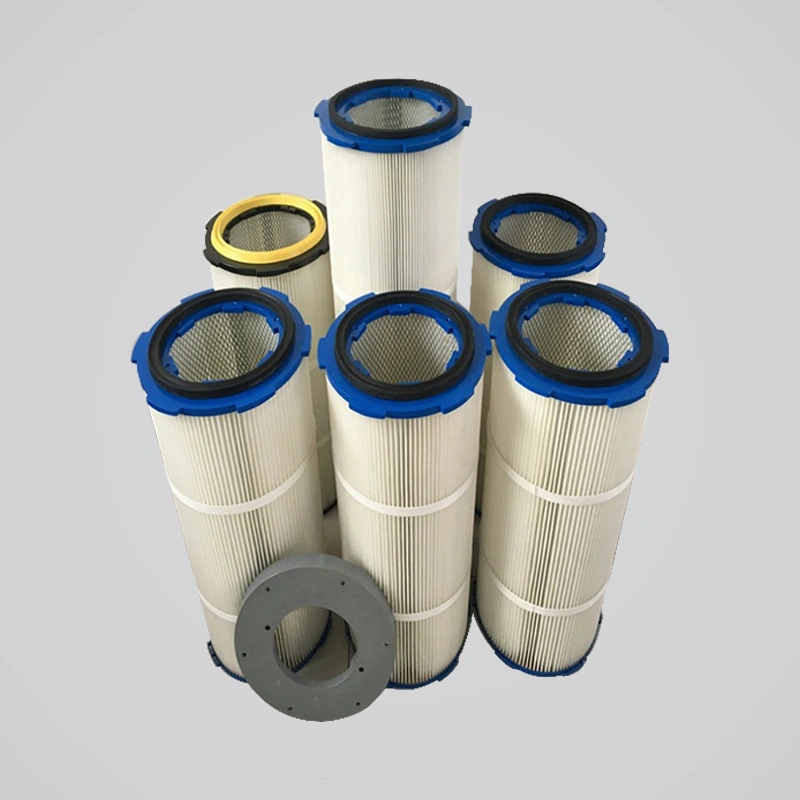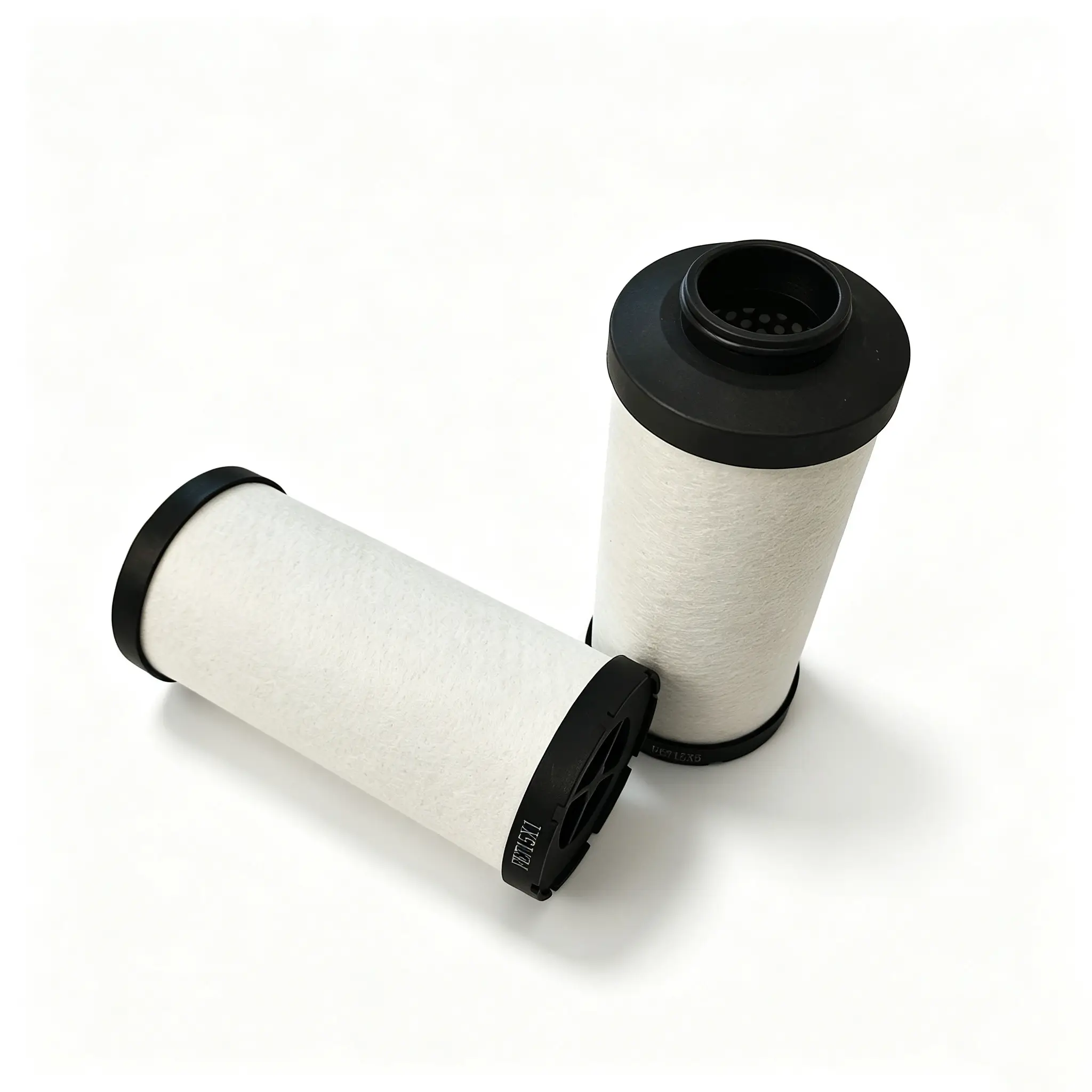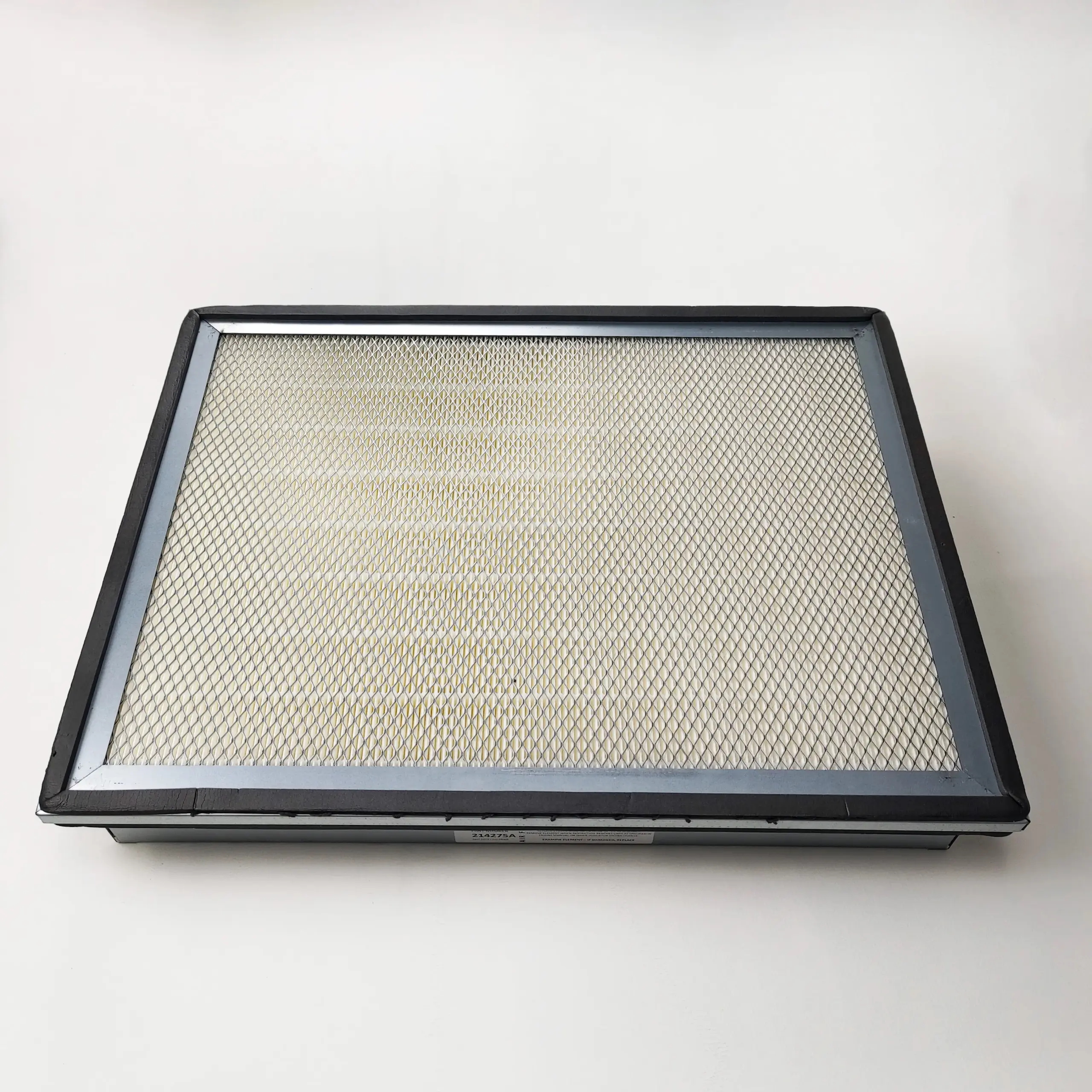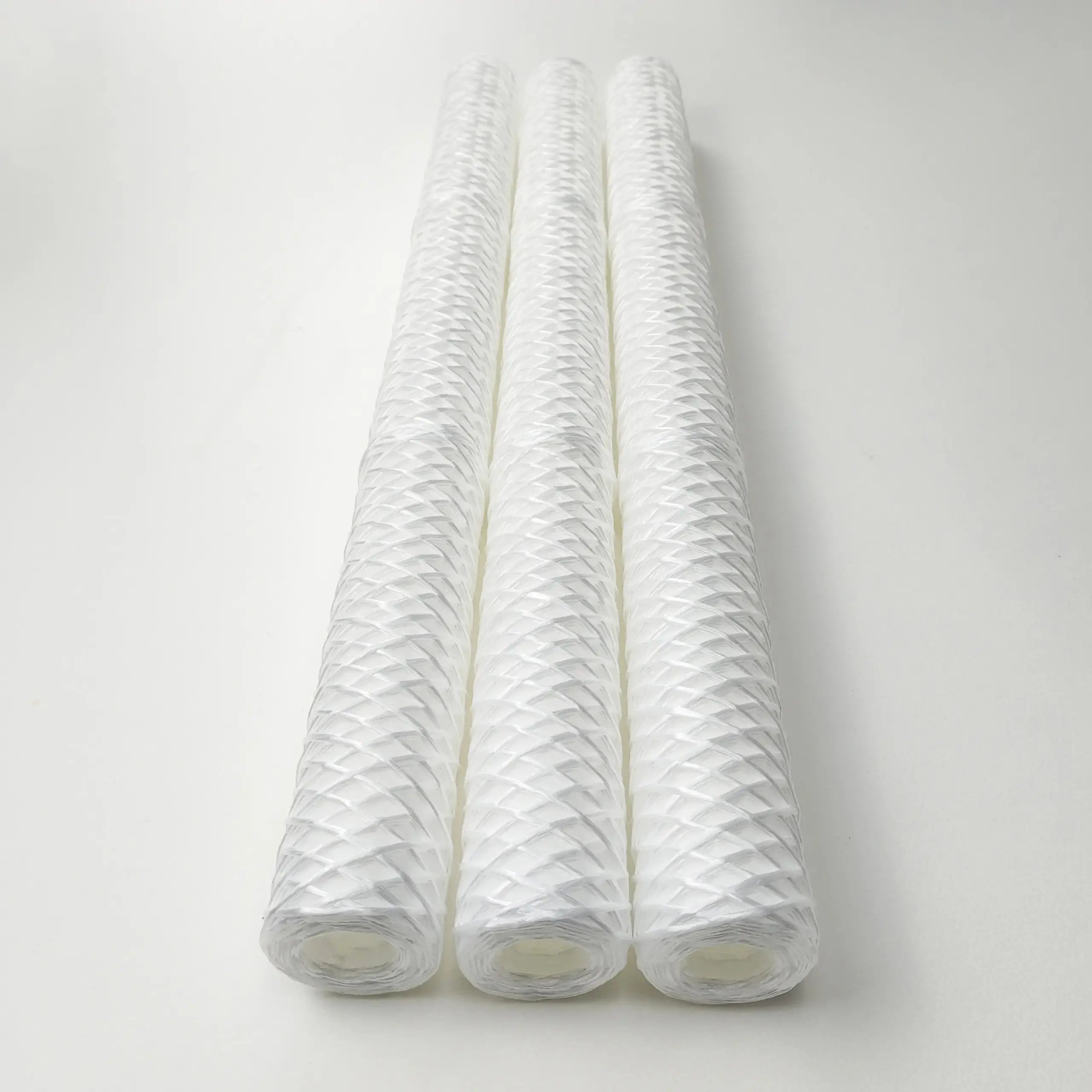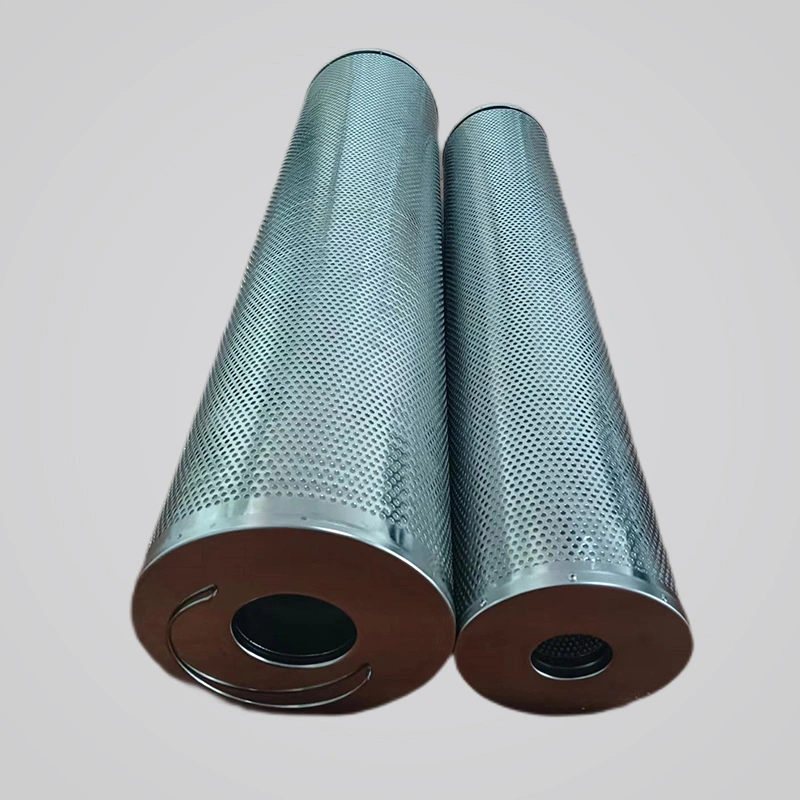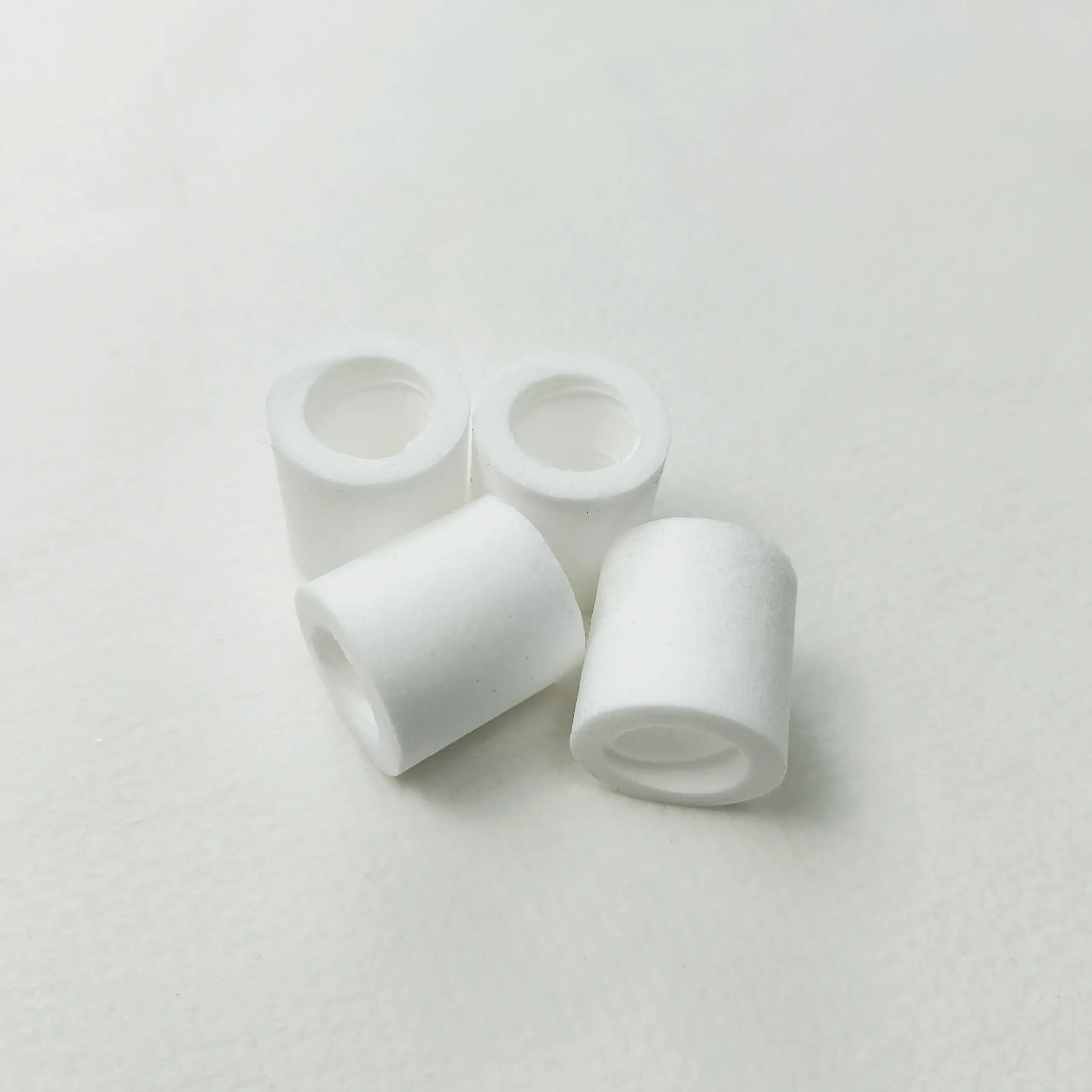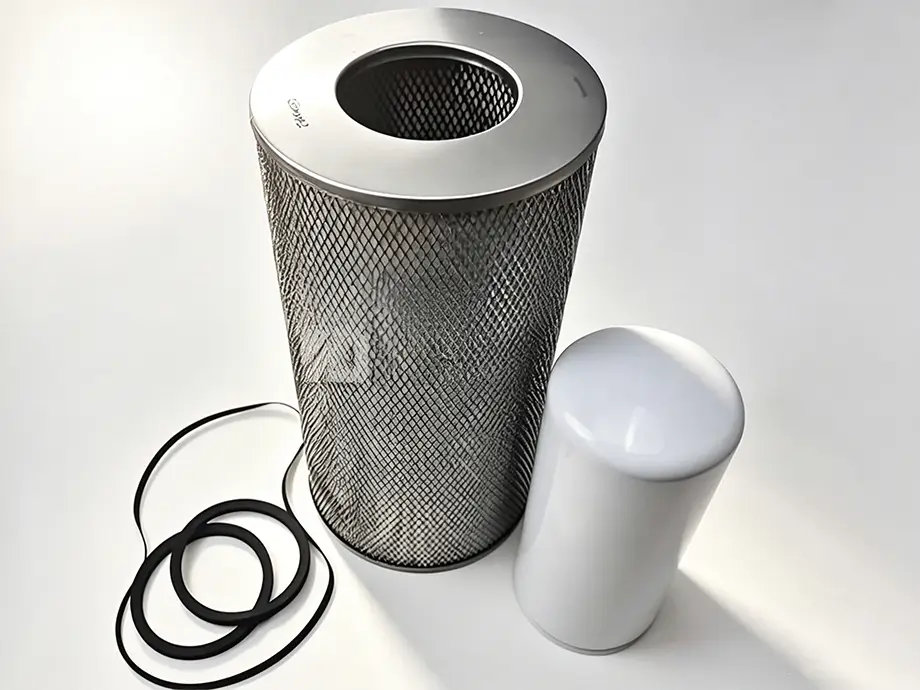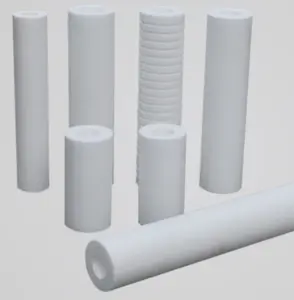
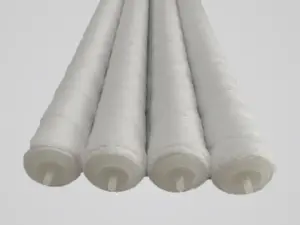
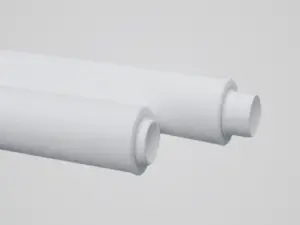
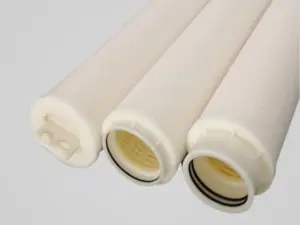
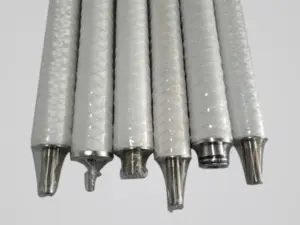
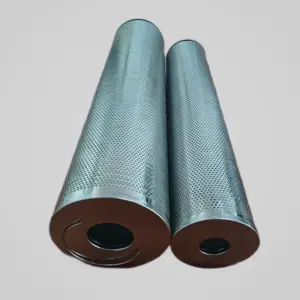
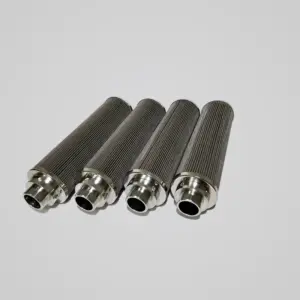
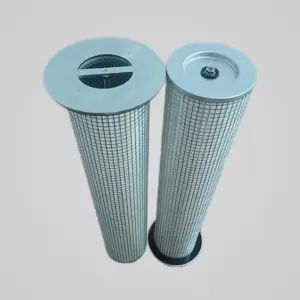
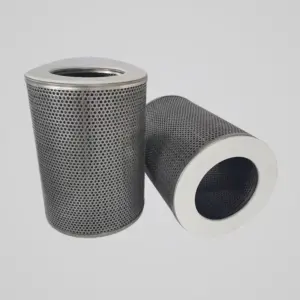
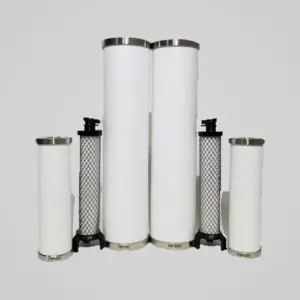
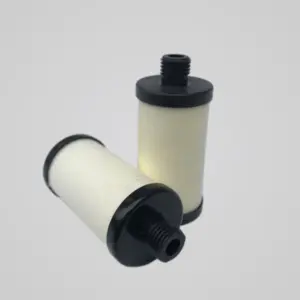
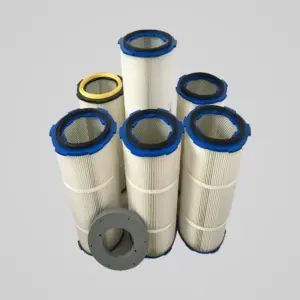
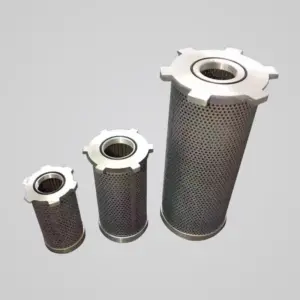
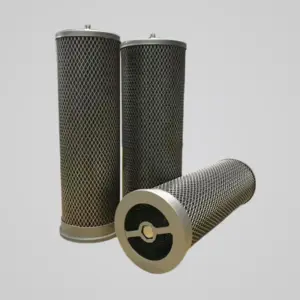


To ensure the proper functioning and reliability of a hydraulic station’s hydraulic system, it is essential to control fluid contamination; a primary measure for achieving this is the use of suitable filters. The core component of the filter is the hydraulic oil filter element, which serves to remove impurities, maintain fluid cleanliness, prevent contamination, and ensure the system operates correctly.

As the filter is connected directly to the main hydraulic circuit, it is classified as high-pressure equipment. Furthermore, the filter element is prone to contamination; once contaminated, it cannot be cleaned or reused. Therefore, the replacement of the hydraulic oil filter element must be carried out in strict accordance with the following steps to prevent hazards and equipment damage.

1. Shut off the valves and depressurize the equipment. Opening the filter housing without first depressurizing it may cause a high-pressure spray of residual fluid, potentially damaging the equipment or causing personal injury; overheated hydraulic oil can cause fires or burns.
2. Grasp the rotating handle at the top of the filter and pull out the filter head and element assembly.
3. Place the filter head and element on a prepared plastic sheet (ensure the sheet is clean). Gently rock the filter element from side to side to detach it from the filter head, and inspect the element surface for visible contaminants (if visible contaminants are found, collect a sample for analysis to identify the source of contamination).
4. Inspect the filter housing and filter head for damage; replace any damaged components. Clean the filter housing and filter head appropriately.
5. Ensure the O-ring on the filter housing is intact and correctly installed; clean it properly with clean hydraulic oil.
6. Insert the new filter element into the housing, aligning the center hole of the element with the central axis of the housing.
7. Apply a small amount of clean hydraulic oil to the O-ring and threads of the filter head. Screw the filter head back into the housing to reinstall it. Check the clogging indicator switch on top of the filter head and reset it.
8. Open the valves to pressurize the hydraulic system and check for leaks. If a leak occurs, inspect the installation for errors and replace any faulty components.
If the indicator light on the control panel signals a filter fault, or if the IPC (host computer) displays a fault alarm, it indicates that the filter element is clogged and must be replaced. The filter element should also be replaced after a prolonged period of inactivity. If the clogging indicator switch on top of the filter housing pops up, it indicates a physical blockage, and the filter element should be replaced. (Clean the filter housing before replacing the element.)
When replacing the filter element, please observe the following:
1. Damaged parts must be replaced.
2. Do not use a pipe wrench to tighten the filter head. Do not strike any part of the filter with a hammer.
3. The filter element cannot be cleaned or reused.

Filters are essential components in hydraulic systems for removing impurities and ensuring the cleanliness of the hydraulic fluid. When selecting a hydraulic filter, factors such as installation location and operating environment must be considered.
Key considerations include:
1. For the pump suction inlet, select a filter with high flow capacity and relatively coarse filtration precision; insufficient flow capacity here can lead to cavitation.
2. Filters installed in hydraulic lines are typically placed upstream of sensitive components like solenoid valves; the filtration precision must be finer than the mating clearances of these components, and the filter must be rated to withstand the system’s operating pressure.
3. Return-line filters generally have lower pressure ratings; when selecting one, carefully consider the return flow rate to avoid backpressure caused by insufficient flow capacity. To prevent external contaminants from entering the system, ensure the hydraulic reservoir is well-sealed and use high-performance filters; minimize direct exposure of the hydraulic fluid to the external environment. Before assembly, thoroughly clean the reservoir, manifold blocks, piping, and fittings to remove machining debris or metal chips. Finally, filter the new hydraulic fluid before filling the reservoir. These are the steps for replacing the filter element in a hydraulic system’s power unit.