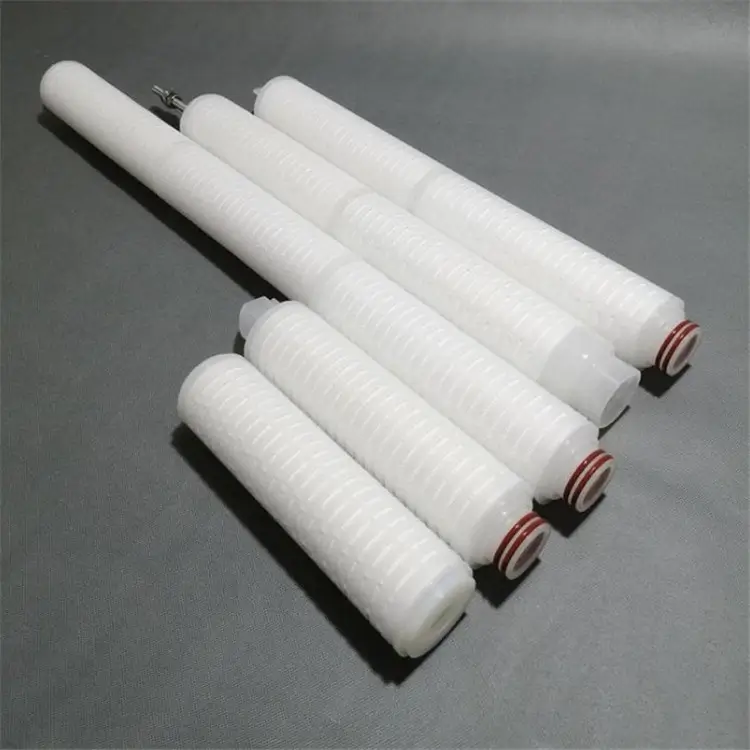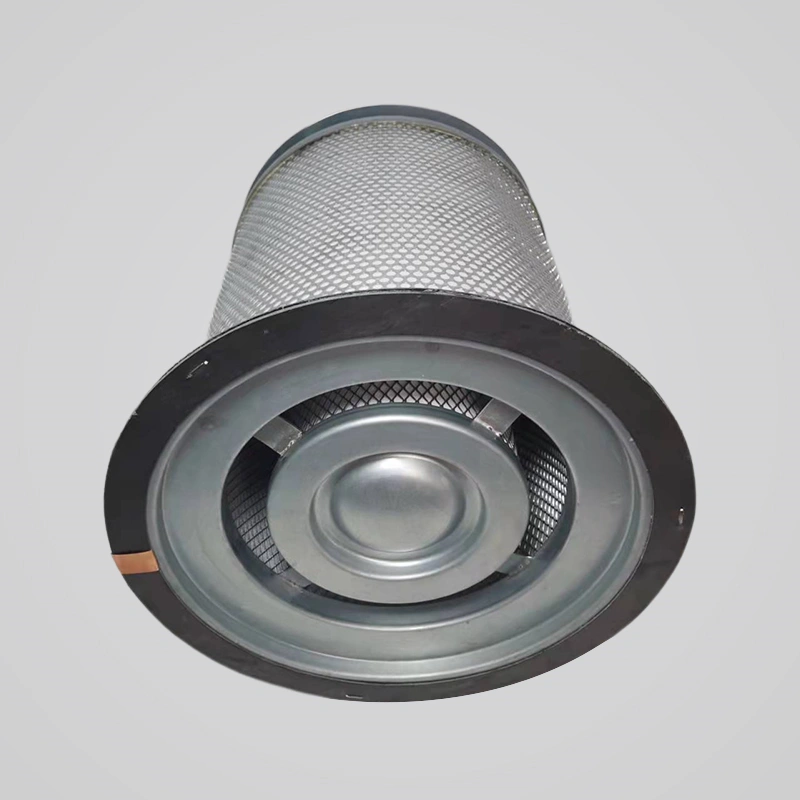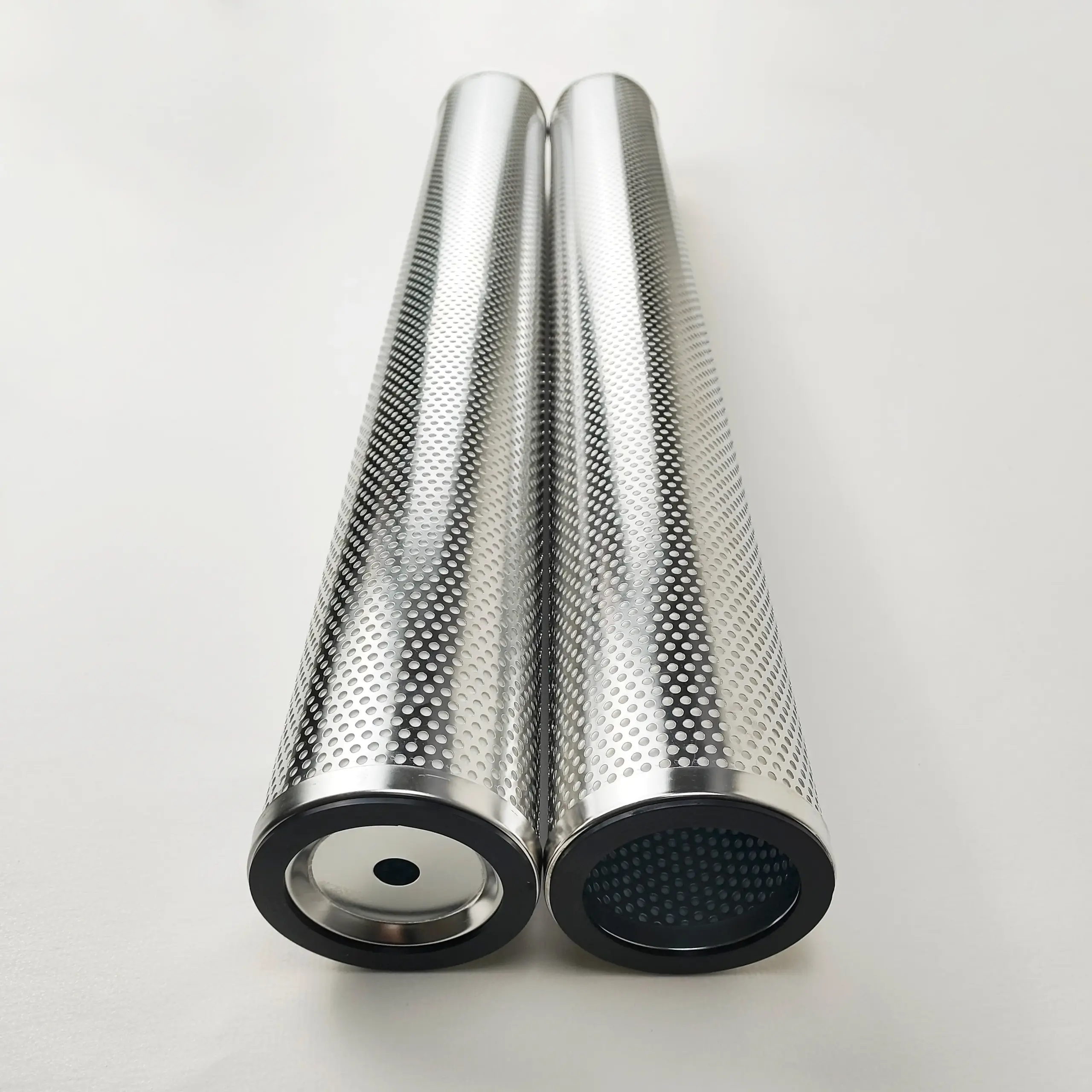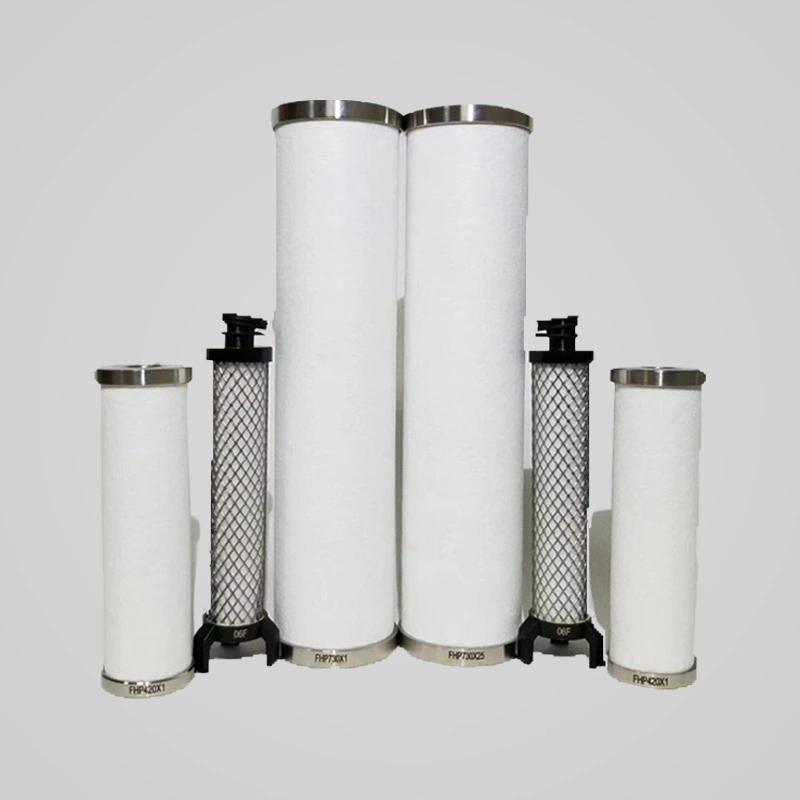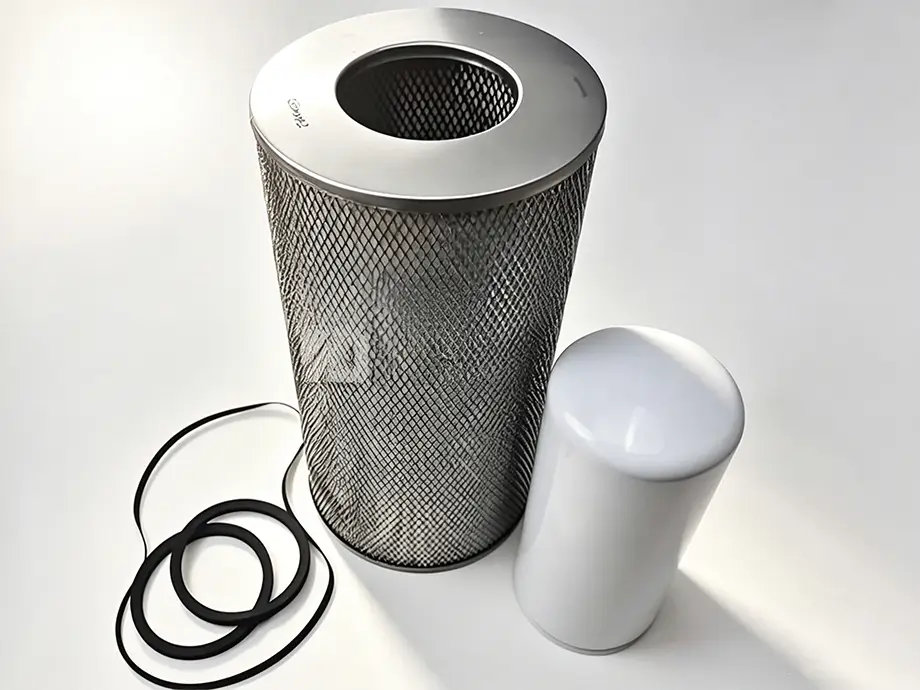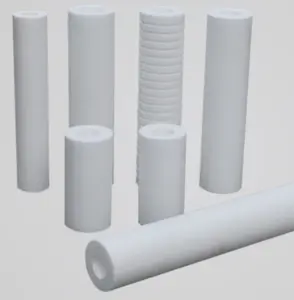
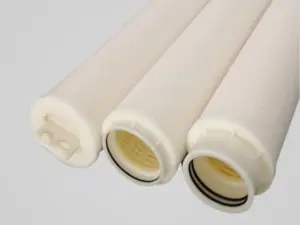
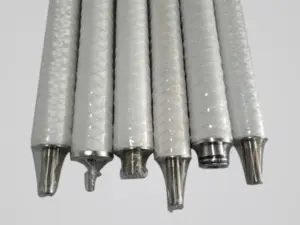
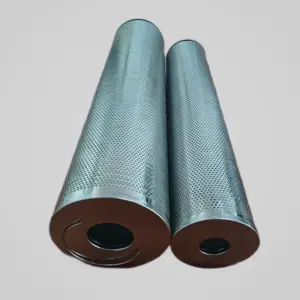
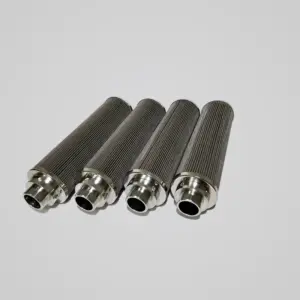


A new material news has been circulating in the filtration industry: a European PLA resin supplier has commercialized a new brand of melt-blown filter material. Industrial trial production has shown that the filtration efficiency exceeds 95%, the fiber diameter is less than 1 micron, and it also has electret performance; the most eye-catching sentence is that the existing melt-blown production line can be directly converted without changing the equipment. The first reaction of many liquid filtration buyers is: Will the folding core in my hand be replaced?
To start with the conclusion: the news is true, and the direction is also valid—but it concerns material innovation for gas-phase filtration, which has essentially nothing to do with the liquid filter cartridges you are currently considering. Let’s break this down using three key points.
I. Assessment 1: Where was the 95% figure measured?
Efficiency figures provided without test conditions are effectively meaningless.
For air filtration, efficiency must be specified in relation to particle size—the range around 0.3 microns is the most difficult for mechanical filtration media to capture.
Therefore, efficiency ratings for air filtration materials are typically stated as a specific percentage achieved at a given particle size, with further clarification required as to whether the figure represents initial efficiency or efficiency after dust loading.
The original report cites a figure of “over 95%,” yet it fails to disclose the testing standards, particle size specifications, or airflow resistance conditions. This does not necessarily imply exaggeration—it is quite common for early data on new product grades to be incomplete—but it does mean that this figure cannot currently be used for direct, “apples-to-apples” comparisons.
It cannot be compared to the efficiency ratings for face masks (which are measured under specific particle size, flow rate, and loading conditions).
This cannot be compared to the nominal efficiency of liquid filter cartridges (the concept of a “most penetrating particle size” does not apply to the liquid phase; a different evaluation system is used instead).
It can’t even compare to the PLA meltblown efficiency of another company.

When looking at efficiency figures for any filtration medium, always ask three questions: Is it for the gas phase or the liquid phase? What is the particle size? And which standard was used? If any of these are missing, the figure is nothing more than marketing hype.
II. Second Assessment: The concept of an electret does not hold true in water.
This is the single most important point to remember from this piece.
Electret media—filter materials that carry an inherent static charge—capture particles through electrostatic attraction. Their advantage lies in enhancing the collection efficiency for fine particles without significantly increasing airflow resistance, which is why this approach remains a classic technical strategy in air filtration.
However, electrostatic capture comes with a prerequisite: the electric charge must be able to be retained.
Air acts as an insulating medium, allowing electric charges to remain on the surface of fibers for an extended period; water, by contrast, is a conductive medium, causing any charges that enter it to dissipate rapidly. Consequently, the mechanism of “electrostatic adsorption” cannot be utilized in liquid filtration; instead, filter media rely on the pore sizes and deep channels formed by their constituent fibers.
Thus, the “inherent electret property” stands out as the most significant technical highlight in this news—and, ironically, it is also the feature least relevant to liquid filtration.
When you come across news about filter media, first determine whether it concerns the gas phase or the liquid phase. The term “high efficiency” implies entirely different implementation methods depending on the medium—this is the only point from this section that you need to remember.
III. Assessment 3: Three Mismatches Between PLA and Liquid-Phase Operating Conditions
Even setting aside the underlying mechanisms, PLA resin itself faces three inherent limitations when used for industrial liquid filtration:
Regardless of its degradation mechanism, PLA resin has three inherent limitations when applied to industrial liquid filtration:
- Temperature resistance limitation: Conventional water treatment filter cartridges are generally selected for service temperatures above 80°C. However, the glass transition temperature of PLA is around 60°C, which restricts its application under high-temperature conditions.
- Poor hydrolysis resistance: PLA tends to hydrolyze in hot water during long-term operation, and its performance degrades over time.
- Limited chemical compatibility: Compared with PP, PLA has a much narrower chemical compatibility range against acids, alkalis, oxidants and solvents, resulting in fewer applicable working conditions.
When used for industrial liquid filtration, PLA has three inherent drawbacks: insufficient heat resistance (Tg ~60°C, unable to meet water treatment requirements above 80°C), susceptible to hydrolysis and aging in hot water, and far narrower chemical compatibility than PP, limiting its application scenarios.
| General requirements for liquid filtration | Performance of PLA |
|---|---|
| Temperature resistance: Conventional water treatment filter cartridges are specified for ≥80°C service | The glass transition temperature of PLA is around 60°C (subject to grade data), limiting high-temperature applications |
| Hydrolysis resistance: Long-term service in hot water systems | PLA hydrolyzes in hot water, with performance declining over time |
| Chemical compatibility: Resistance to acids, alkalis, oxidants and solvents | PLA has a noticeably narrower chemical compatibility window than PP |
The reason PP (polypropylene) serves as the primary substrate for liquid filtration is not merely its cost; rather, it offers an optimal balance of temperature resistance, hydrolysis resistance, and chemical compatibility. PLA, by contrast, excels in its bio-based, low-carbon profile—reportedly boasting a carbon footprint more than 80% lower than that of PP. This is a critical requirement for gas-phase applications, such as in HVAC systems and air purifiers; in the European market, carbon emissions have already begun to be factored into procurement scoring criteria.
Interestingly, the original report leaves some room for interpretation: it merely states that the media is “also suitable” for water filtration, while the published performance data primarily relates to air filtration.
IV. So, what other significance does this news hold for liquid filtration?
Meaningful, but not in terms of “replacement”:
First, it confirms that the melt-blown product category is moving toward the high end. Sub-micron fibers combined with electret charging are both designed for precision gas-phase filtration. In the realm of liquid filtration, melt-blown media and sintered filter cores follow a different path—relying on fiber fineness and pore-size distribution rather than static electricity.
Second, it serves as a reminder to always check the medium when reading news about filtration materials. Technological breakthroughs in gas-phase filtration often cannot be transferred to liquid-phase applications—and the same holds true in reverse.
Third, low carbon is the next criterion for procurement scoring. There’s no need to panic just yet, but if your European clients start asking about the “carbon footprint of filter elements” or “sourcing of materials” in their tenders, you’ll need to have answers ready.
V. Conclusion
The news is true: sub-micron PLA fibers, electret treatment, over 95% filtration efficiency, and the feasibility of repurposing existing production lines—all of this is public information.
However, this represents an innovation in materials for gas-phase filtration. The three traditional pillars for selecting liquid filtration solutions remain unchanged: filter media (PP/PET/GF), structure (pleated, melt-blown depth, or high-flow crescent-pleated), and the operating limits for differential pressure and temperature.
Here is a ready-to-use heuristic for evaluating such claims—next time you come across a statement like “this new filter material has an efficiency of XX%,” start by asking these three questions:
Gas phase or liquid phase? The mechanisms are entirely different and cannot be inferred from one another.
At what particle size and according to what standard was the efficiency measured? Figures provided without specified conditions cannot be used for comparison.
Temperature resistance, hydrolysis resistance, and chemical compatibility—can your operating conditions meet these three requirements? If not, then even the highest efficiency is of no use.